July 2026 Newsletter
Perspectives is a monthly newsletter that highlights the accomplishments and latest news from the College of Arts & Sciences community. Learn about unusual courses, student projects, faculty research, alumni careers, and more.
Featured Stories This Month
2026 Dean's Medalists, Exploring Big Questions
The College’s 2026 Dean’s Medalists took on ambitious projects to better understand our society, our humanity, and the universe, all while maintaining stellar grades.
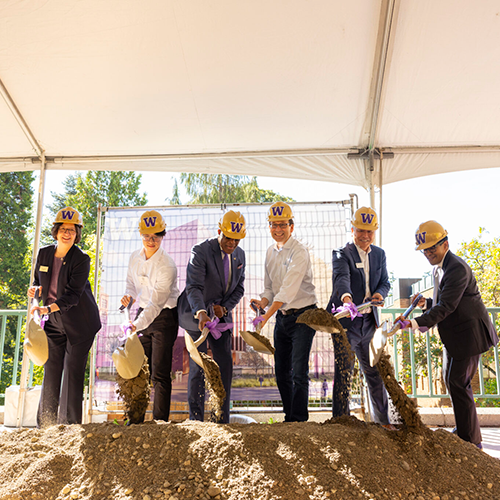
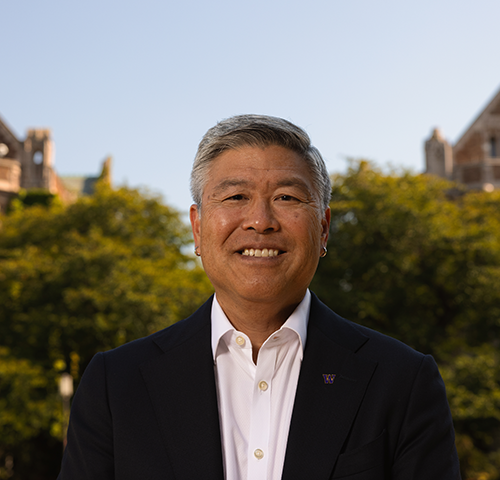
A New Dean for Arts & Sciences
Daryl Maeda brings his extensive leadership experience to Arts & Sciences as he becomes the College’s next Katherine and John Simpson Endowed Dean.
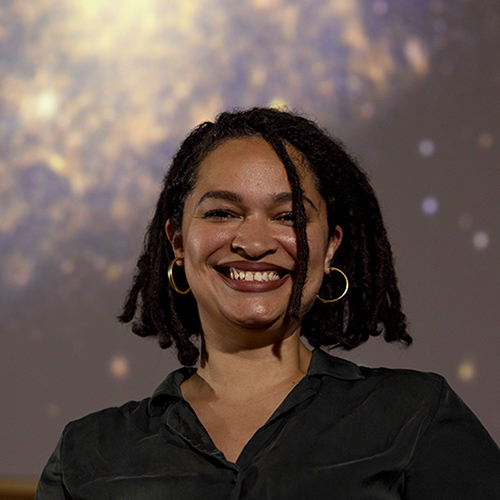
Meet Our 2026 Graduate Medalists
Four Arts & Sciences graduate students in diverse fields have been named 2026 Graduate Medalists in recognition of their accomplishments.
-
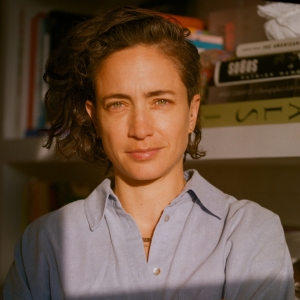
2026 Awards of Excellence
Six Arts & Sciences faculty, students, and alumni are among the recipients of 2026 UW Awards of Excellence for their teaching, volunteerism, and innovation.
Perspectives newsletter -
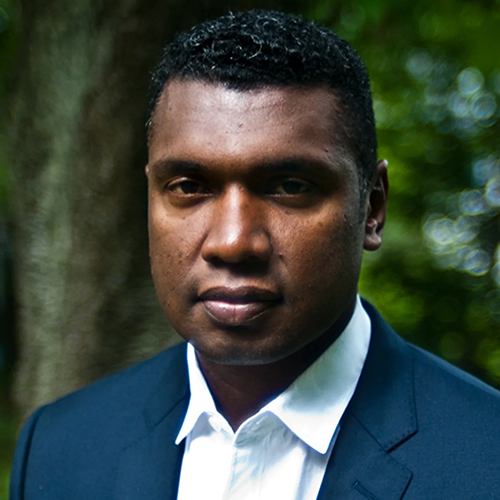
A Breakthrough Prize, Husky 100, and Other Awards
With the end of the academic year comes recognition of the exceptional work and extraordinary service of faculty, staff, and students across the College.
Perspectives newsletter
Opportunities to Explore
-
Native Plants and Natural Dyes with Susan Pavel
July 25, 10 a.m. – 3 p.m.
Burke Museum
In this workshop, learn about the native plants around the Burke Museum and how they can be used; then hear about the dyeing process and see samples of native plant dyes. You’ll leave with the information to do your own natural dyeing at home.
-
Embracing Ornament: A Conversation with Amir H. Fallah and Charlene Liu
July 25, 2 p.m. – 3 p.m.
PURE Insurance Theatre at Seattle Art Fair
Held in conjunction with Seattle Art Fair, join Nina Bozicnik, senior curator at the Henry Art Gallery, for a conversation with artists Amir H. Fallah and Charlene Liu, who render vibrant works that reference ornament and decorative aesthetics from a variety of visual traditions. Liu’s mural “Scallion” is on view at the Henry through summer 2027; a large-scale commission by Fallah will open at the Henry in 2027. -
Visit the Biology Greenhouse
UW Life Sciences Building (3747 W Stevens Way NE)
The UW Biology Greenhouse, home to more than 4,000 plants from diverse habitats, is open to the public for walk-in browsing on non-holiday Wednesdays (noon – 4 pm) and on the 2nd and 4th Saturdays of each month (10 am – 2 pm). Docent-led tours for 8+ people are also available but must be booked ahead online. -
Eric-Paul Riege: ojo|-|ólǫ́
Through October 25
Henry Art Gallery
ojo|-|ólǫ́ is a Henry Art Gallery exhibition of recent and newly commissioned work by Diné artist Eric-Paul Riege (Na’nízhoozhí) that includes sculpture, textile, collage, and video, combining customary Diné practices of weaving, silversmithing, and beading with contemporary cultural forms.
Looking for more events? Visit ArtsUW and the UW Alumni Association website.
In The News
-
King County finds 9% rise in homelessness since 2024
King County saw a 9% increase in homelessness in the past two years, according to the latest Point-In-Time count data. The total number of people now estimated to be homeless in the region is 18,365. Zack Almquist, UW associate professor of sociology, leads the King County count and is quoted.
The Seattle Times -
Are crows really our friends?
Many people form sustained personal connections with their local crows. Some even call the animals their friends. What is harder to determine is whether the crows return the feeling. Carl Bergstrom, UW professor of biology, and John Marzluff, UW professor emeritus of environmental and forest sciences, are quoted.
Audubon -
Not just for coders: UW’s upcoming AI minor will reach beyond the computer science school
As students, teachers, and employers wrestle with the demands of an increasingly AI-powered world, the UW has a new proposition: an interdisciplinary AI minor, with an anthropologist and a computer scientist at the helm. Ben Marwick, professor of anthropology, and Magdalena Balazinska, UW professor and director of the Paul G. Allen School of Computer Science & Engineering, are co-leaders of the group designing the new curriculum and are quoted.
GeekWire -
Humans are changing how nature smells, with risks for wildlife
A growing body of research shows how air pollution, fertilizers, and fungicides are altering the chemical signals that plants and animals use to communicate. Scientists warn that insect reproduction, foraging, navigation, and even the pollination of crops could be affected. Jeff Riffell, UW professor of biology, is quoted.
Popular Science -
Researchers at the UW are using concrete vibrators to kill pesky shrimp. Why?
Burrowing shrimp kick about a handful of sand up to the surface every day and bury clams and oysters, creating a problem for shellfish farmers. UW researchers have found a new way to get rid of the pests with the help of concrete vibrators. Jennifer Ruesink, UW professor of biology, is interviewed.
KUOW
Editor
Nancy Joseph
nancyj@uw.edu