
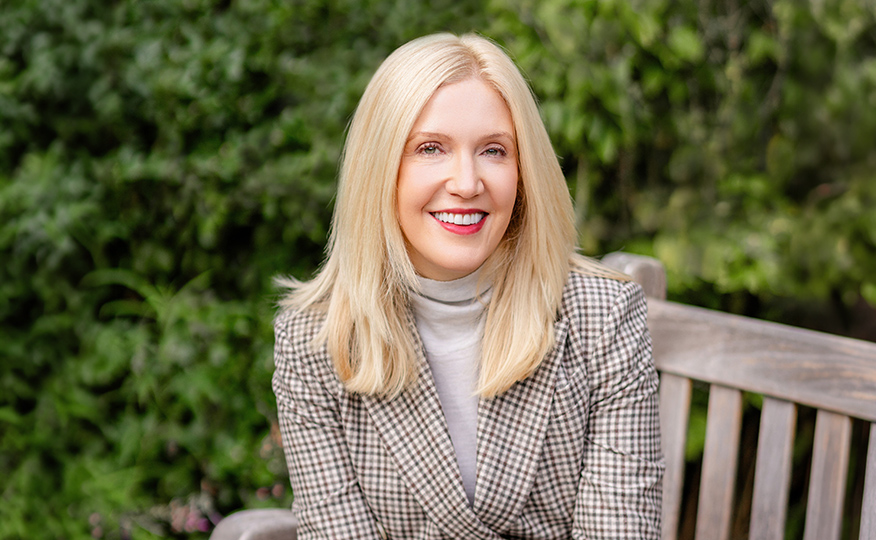
Nicole McNichols loves talking about sex. As a University of Washington associate teaching professor of psychology, sex is the focus of her work. Her Department of Psychology course, “The Diversity of Human Sexuality,” attracts 4,000 students each year — more than any other UW course. She also shares her message of sex positivity on TikTok and Instagram, reaching millions of people worldwide.
Now McNichols has written a book that will further expand her reach. Published in February 2026, “You Could Be Having Better Sex” has led to numerous interviews with national media, including the New York Times, CNN, NPR, the Tamron Hall Show, and the Mel Robbins podcast.
Those hoping for a salacious read should look elsewhere. The book, like McNichols’ UW course, provides frank information based on academic research, covering topics that include the science of arousal, navigating mismatched libidos, improving communication, and the health benefits of sex.
“All of the topics in the book are tied directly to my course curriculum, in a less academic way explaining the very concepts and research that are the core content pillars of the class,” says McNichols.

When McNichols began teaching the human sexuality course, her course curriculum was guided in part by her students, whose questions — often submitted anonymously — provided a window into their confusion and curiosity about their bodies, dating, consent, and more.
“Washington State just started mandating sex education in 2020, but even in schools that do offer it, it’s usually focused on reproduction, how not to get pregnant, and how not to get an STI (sexually transmitted infection) — basically all of the things that can go wrong with sex,” says McNichols. “There’s nothing about bodies or pleasure or sexual communication or what healthy sex looks like. There’s nothing about what consent looks like — what it means to respect people’s emotional and social boundaries, not just their physical boundaries.”
McNichols designed her course to be sex-positive, rejecting all shame and stigma. Unfortunately, she found the available human sexuality textbooks lacking. Most stigmatized certain topics around sexuality and avoided others. That led her to co-author an online textbook, which in turn provided the impetus for her new general interest book, “You Could Be Having Better Sex.”
“This book is for all the people who can’t sit in my classroom but want to know what the research really says about our bodies, our relationships, our kinks, our fantasies, our sexual identities — all the things that so many people have curiosity about but never learned,” says McNichols. “I aimed to write it in a warm, fun, inviting, accessible way, where people feel inspired but also informed reading it.”
McNichols wrote the book with a broad audience in mind, from married couples to people having casual hookups. “That was one of the fun challenges of it,” she says. “There are chapters for people in long-term relationships and chapters for people who are newly single. There are chapters for people trying to navigate sex and dating culture, and chapters for people considering opening up a relationship. It’s saying to all these different audiences, ‘No matter who you are, what stage you’re in or what types of sex you’re into, you are entitled and can have better sex. And here’s the research for how.’”
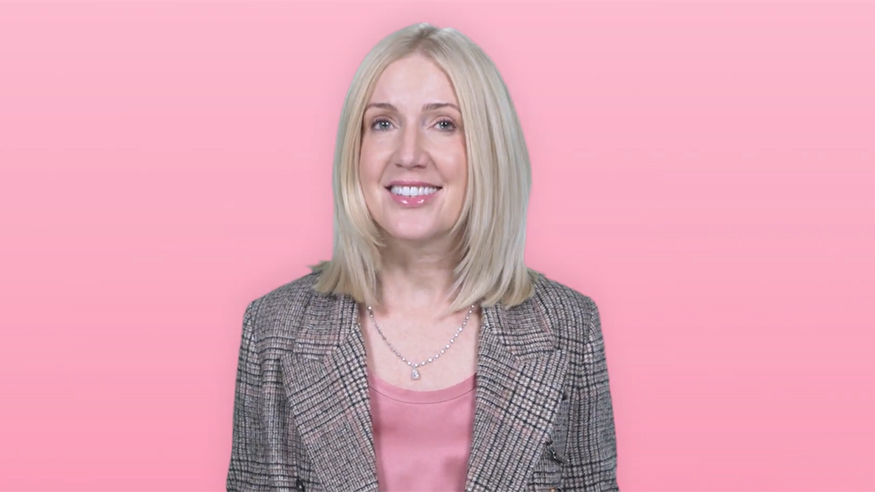
In this five-minute video, Professor Nicole McNichols shares steps you can take to improve your sex life. Courtesy of UW Continuum College.
More Stories
A Healing Heart Returns
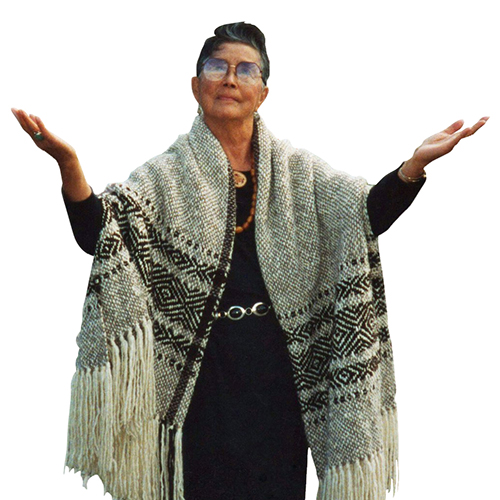
In February, the UW Symphony will perform a symphony that Coast Salish elder Vi Hilbert commissioned years ago to heal the world after the heartbreak of 9/11. The symphony was first performed by the Seattle Symphony in 2006.
The Public Impact of Private Cities
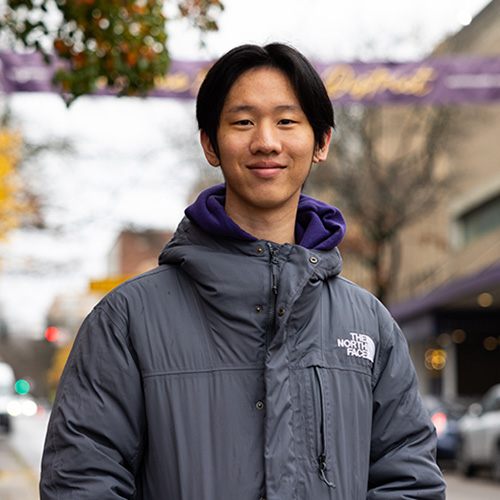
Geography major Edwin Bai has researched private cities, developed by individuals and corporations, that "take the libertarian idea of low government regulation to the maximum."
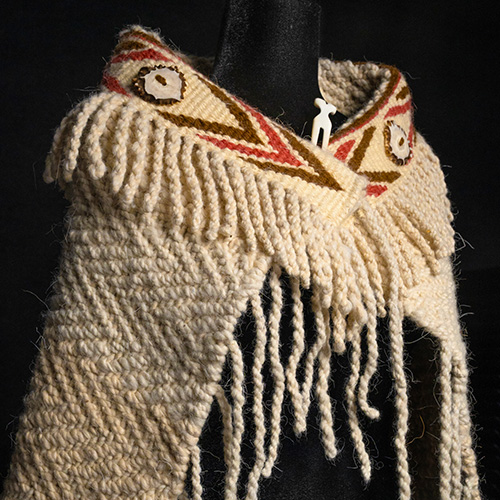
Coast Salish Traditions are "Woven in Wool" at the Burke
A Burke Museum exhibit, co-curated by Coast Salish weavers and Burke curators, highlights the importance of weaving to Coast Salish communities.