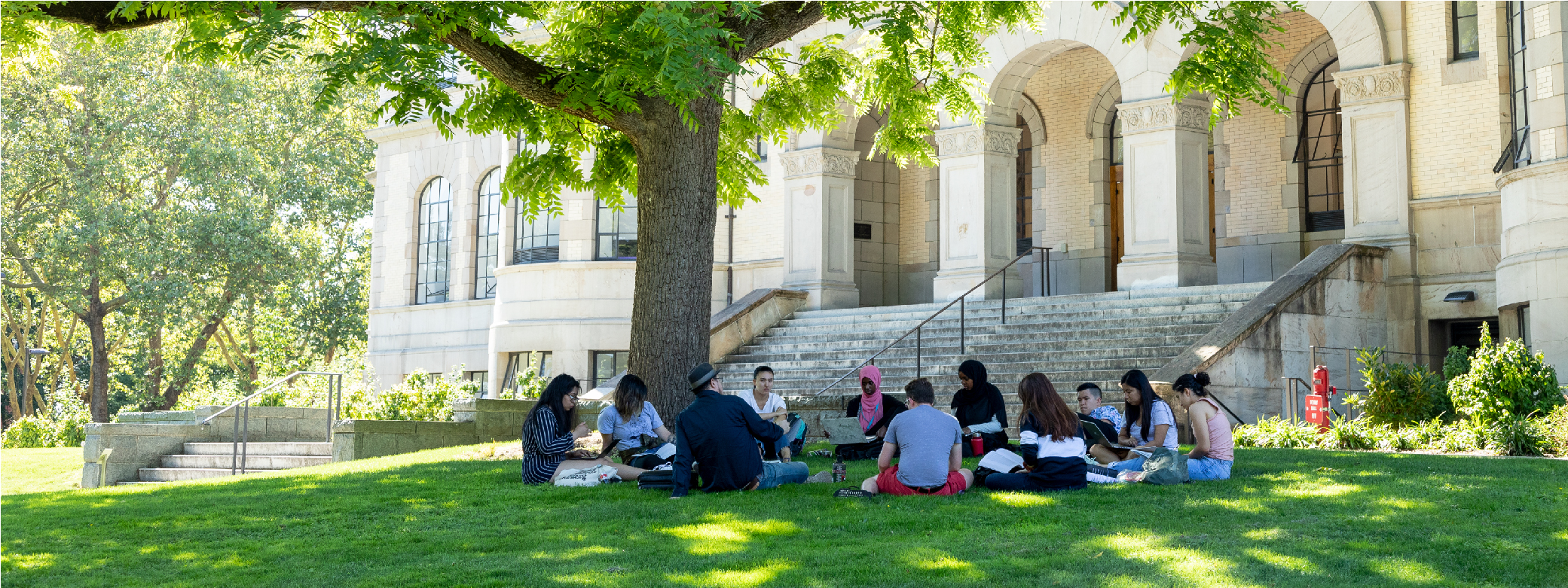
Interested in Studying the Humanities?
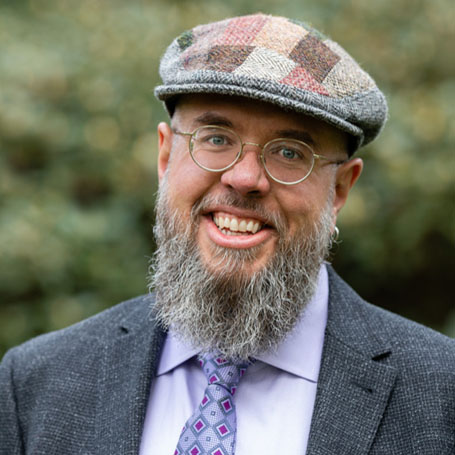
Brian Reed, Divisional Dean of Humanities
Divisional Contact
Meta Godsell206-616-2128godsell@uw.edu
Departments
- Department of Asian Languages and Literature | Fact Sheet
- Department of Cinema and Media Studies | Fact Sheet
- Department of Classics | Fact Sheet
- Department of Comparative History of Ideas | Fact Sheet
- Department of English | Fact Sheet
- Department of French and Italian Studies | Fact Sheet
- Department of German Studies | Fact Sheet
- Department of Linguistics | Fact Sheet
- Department of Middle Eastern Languages and Cultures | Fact Sheet
- Department of Scandinavian Studies | Fact Sheet
- Department Slavic Languages and Literatures | Fact Sheet
- Department of Spanish and Portuguese Studies | Fact Sheet
Humanities News
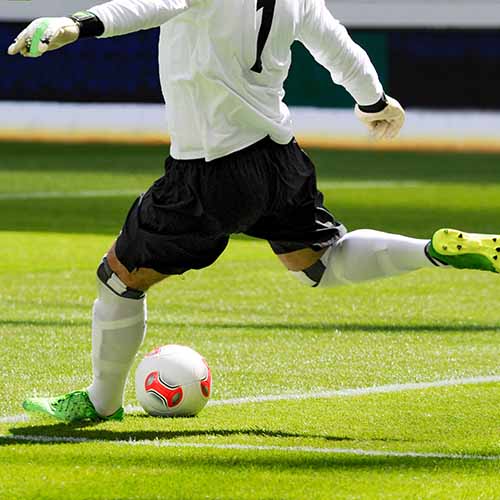
Need More Soccer? Watch These FIlms
Has the World Cup left you wanting more soccer? The UW Department of Cinema & Media Studies suggests some films to keep you going.
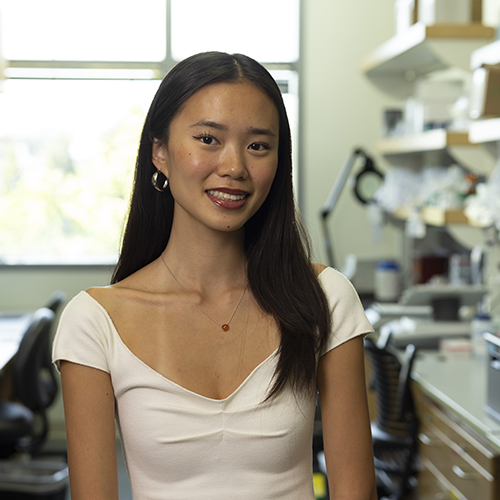
Before Med School, A Year in Paris
Graduating with bachelor's degrees in neuroscience and French, Hunter Jung is heading to France for a cognitive neuroscience program that reflects both interests.
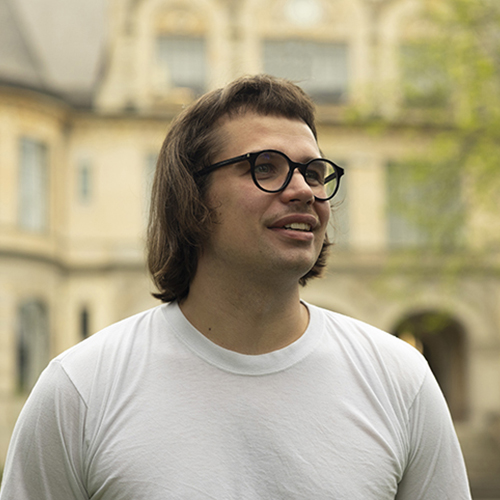
Supporting a Threatened Language
For his UW master's in Scandinavian Studies, Estonian student Greg Rahuoja addressed political and practical challenges for Khanty, an Indigenous language spoken in parts of Siberia.