In the concluding paragraphs of his 2018 book Two Cheers for Higher Education: Why American universities are stronger than ever—and how to meet the challenges they face, Steven Brint wrote the following:
The future of higher education will depend on the exact nature in which traditional forms of independence and traditional understandings of scope are maintained, blurred, rebalanced, or…perhaps overturned completely.
Brint could not have foreseen when he wrote his book the challenges higher education institutions are now experiencing, but this sentence from his closing paragraph seems more than directionally correct. Higher education is being pressure-tested not just by the dynamic shifts in federal grant funding or by financial strains, but also by forces that are technological (rapidly accelerating advances in artificial intelligence tools and the similar acceleration in their widespread usage), cultural (e.g. rising doubts about the value proposition of a four-year degree), and demographic (the so-called ‘demographic cliff’ that is already impacting enrollments at many colleges and universities nationwide) to name a few.

Nevertheless, Brint’s statement succinctly captures the key questions we must address if we are to ensure the benefits that higher education brings to this nation and its many and varied communities for the future. We must consider, for example, how to value institutional independence and reputation versus the benefits of large scale collaboration and interdependence that may come with greater levels of resource sharing. We must ask ourselves what kinds of institutional scope will remain practical, possible, and beneficial and whether the comprehensiveness we have valued in our colleges and universities remains the best way forward over (perhaps) new, creative and strategic forms of institutional specialization.
There are other questions, of course, and other ways to move forward from Brint’s proposition. None of them are easy. And yet, as highlighted in the College of Arts & Sciences newsletter, Perspectives, faculty in the College are tackling these questions by incorporating AI into undergraduate education, by engaging in cross-disciplinary collaborations that are testing new pedagogical models, through creative endeavors that connect us to surrounding communities in new ways, and much more.
So much of this is made possible by the generosity of you, our supporters. I am truly grateful for all you do to support the College and send my warmest wishes for the year ahead.
More Stories
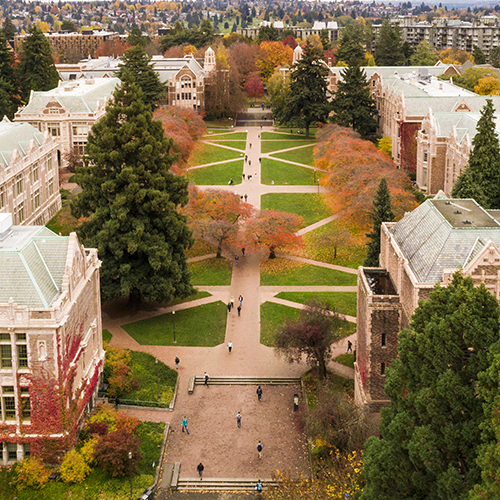
2026 Awards of Excellence
Arts & Science faculty, students, and alumni were among the recipients of 2026 UW Awards of Excellence for their teaching, volunteerism, and innovation.
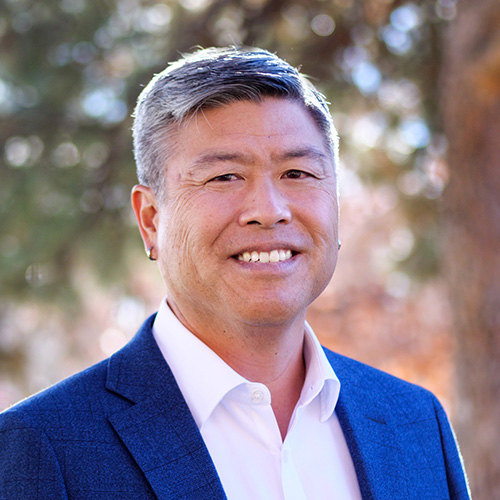
A New Dean for Arts & Sciences
Daryl Maeda brings his extensive leadership expertise to the UW College of Arts & Sciences in July, as he becomes the next Katherine and John Simpson Endowed Dean.
Meet Our 2026 Graduate Medalists
Meet the four graduating students selected by the College of Arts & Sciences as 2026 Graduate Medalists for their accomplishments.