
Research with Impact
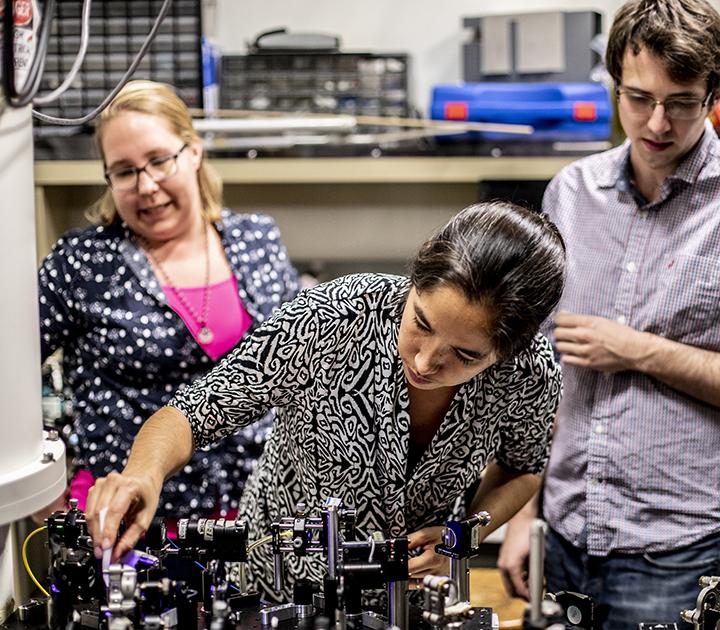
Faculty and students in all four divisions of the College of Arts & Sciences -- arts, humanities, natural sciences, and social sciences – pursue research to address to many of our world’s most pressing challenges. Their discoveries and innovative solutions have led to advances in areas from population health to quantum science to social justice and have pushed the boundaries of artistic creation.

Research Initiatives
Arts & Sciences researchers play key roles on ambitious projects that explore unresolved questions in particle physics, the origins of the universe, climate change, and more.
Awards & Honors
Faculty in Arts & Sciences have received Nobel Prizes, MacArthur Fellowships, Sloan and PECASE awards, and many other top honors.
Students & Research
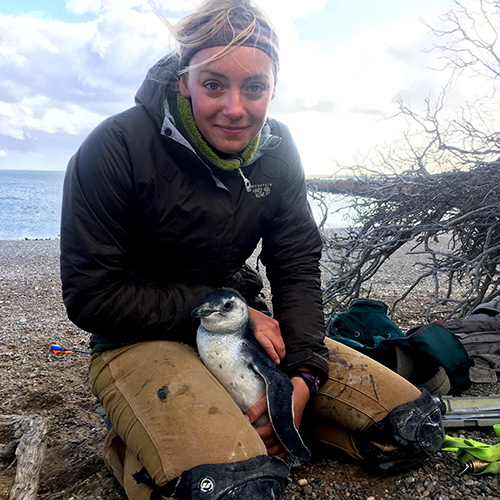
Students work closely with faculty researchers, advancing the research in meaningful ways and gaining skills they can apply to the real world.
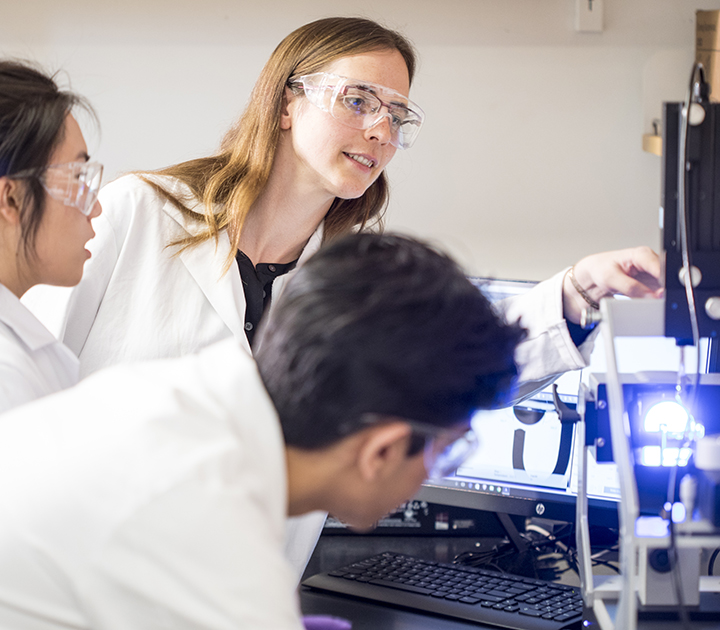
This Lollipop Is the Future of At-Home Health Care
For a scratchy throat, feeling unwell is bad enough. The dreaded strep throat swab that follows is no fun either, especially for kids. Professor Ashleigh Theberge’s lab in the UW Department of Chemistry has invented a gentler alternative: a strawberry flavored lollipop with tiny spiral channels that siphon off saliva for testing. The idea is that the lollipop could eventually be a part of home first aid kits for parents to test their child themselves. Learn more in this video from the Packard Foundation, which supports Theberge's research.
Research Highlights
-
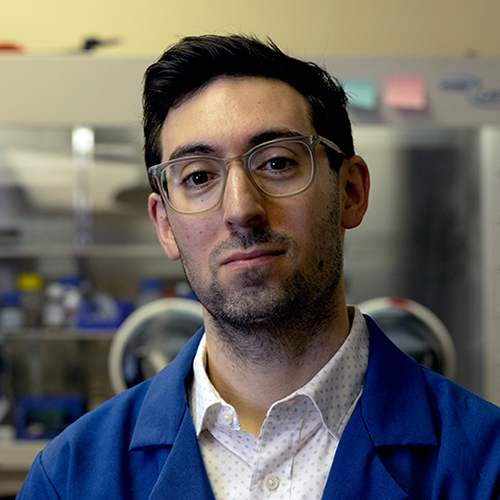
A Second Life for Plastics
Chemistry professor Matthew Golder and his research team are exploring ways to alter the chemical structure of plastics to keep them out of landfills.
-
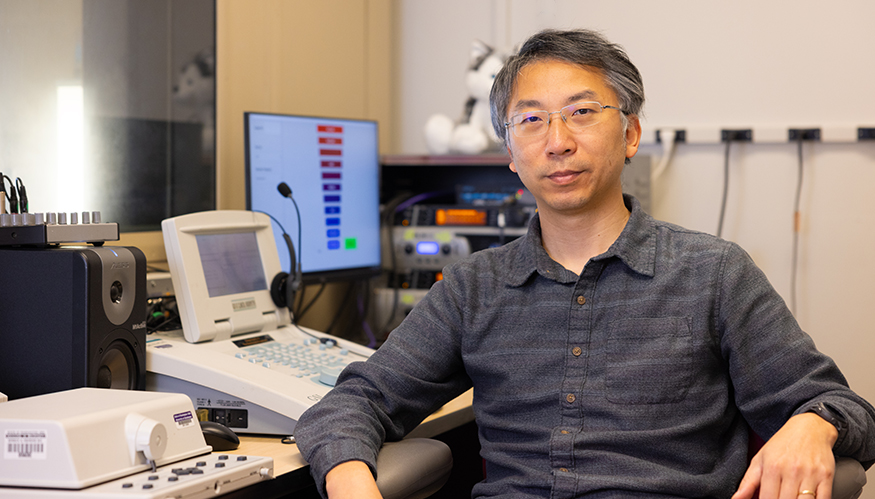
An earful of AI
Hearing aid technology is improving all the time with the help of AI, thanks to researchers like Shen Yi, professor of speech & hearing sciences.
-
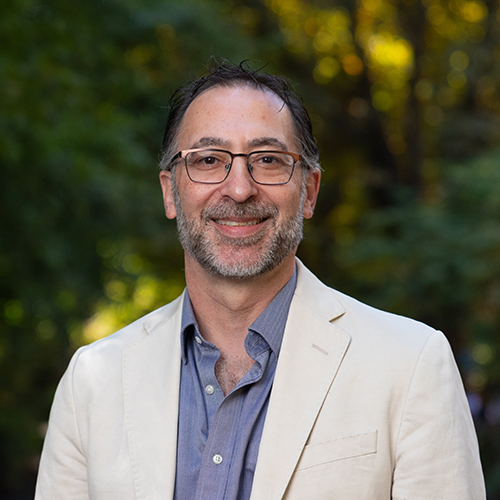
The Curious Journey of Chinese Characters
Several Asian countries adapted the Chinese writing system—the oldest writing system still in use—for their own languages. In a new book, Professor Zev Handel shares how that happened.

Spotlight on Research
Can machines learn morality?
UW researchers at the Institute for Learning & Brain Sciences and in the Allen School are exploring the potential for training AI to value altruism.
A&S Research in the News

"It went completely bonkers..." Astronomers witness two planets colliding around a distant star
Astronomers say they've likely witnessed the collision of two planets orbiting a distant star, Gaia20ehk, located 11,000 lightyears from Earth. Doctoral student Anastasios Tzanidakis and research assistant professor James Davenport, both in the UW Department of Astronomy, are quoted.

American Indian and Alaska Native peoples face increased risk for fatal police violence in and around reservations
The first comprehensive national study on fatal police violence in and around American Indian/Alaska Native (AIAN) reservations, from researchers at the UW and Drexel University, found that roughly 73% of AIAN people killed by police violence were on or within 10 miles of a reservation. Theresa Rocha Beardall, co-author and UW associate professor of sociology, is quoted.
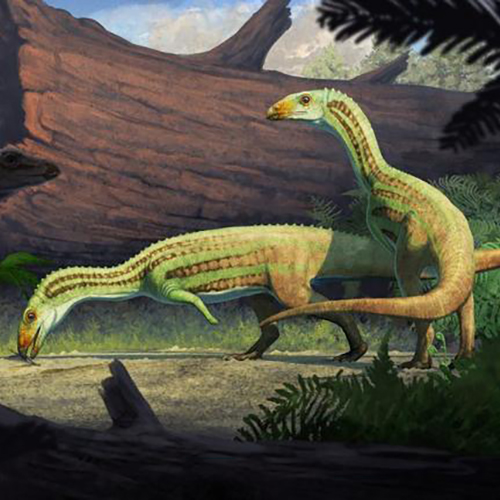
Croc ancestor started life on 4 legs before it began walking on 2
A "peculiar" ancient relative of the crocodile started life on four legs before it began walking on two, according to new research. Elliott Armour Smith, lead author on the research and a UW biology graduate student, and Christian Sidor, UW professor of biology and curator of vertebrate paleontology at the Burke Museum, are quoted.
Arts & Sciences Research Support Team
Xiaosong Li, associate dean for research, is responsible for the strategy, operations, and implementation of the College’s research program. Li, the Larry R. Dalton Endowed Chair in Chemistry, was previously associate vice provost for research cyberinfrastructure in the UW Office of Research.
Centers and Institutes
The College of Arts & Sciences is home to more than 30 interdisciplinary centers and has ties to many others, allowing scholars in diverse fields to collaborate on complex research questions.